How Long Does a Cedar Fence Last in Boise's Climate?
If you're considering Wood & Privacy Fence Installation for your Boise property, one of the first questions you'll ask is how long your investment will last. Cedar is one of the most popular choices for residential fencing in the region, and for good reason. It's naturally attractive, offers excellent privacy, and provides that warm, classic aesthetic that homeowners love. But understanding the typical lifespan of a cedar fence is crucial for making an informed decision.
In Boise, a well-maintained cedar fence typically lasts between 15 to 20 years. Some fences may even reach 20-25 years with exceptional care and favorable conditions. However, this timeline isn't set in stone. The actual lifespan depends heavily on several factors specific to our region's climate, including the amount of moisture exposure, UV radiation, temperature fluctuations, and how consistently you maintain your fence. Boise's dry climate is actually somewhat favorable for wood fences compared to more humid regions, but our cold winters and intense summers still pose challenges that can accelerate wear and tear.
Factors That Affect Wood Fence Lifespan in Boise
Several environmental and maintenance factors directly influence how long your cedar fence will remain structurally sound and visually appealing. Understanding these factors helps you make decisions that extend your fence's life and protect your investment. Boise's unique climate presents both advantages and challenges for wood fence longevity.
Moisture is perhaps the single most damaging factor for wood fences. Even though Boise is in a semi-arid region, winter snow, spring runoff, and irrigation systems can expose your fence to prolonged moisture contact. When wood stays wet or damp, it becomes vulnerable to rot, mold, and mildew. Cedar has natural oils that provide some resistance, but this protection diminishes over time. Ground contact is particularly problematic. If your fence posts are sitting directly in soil or concrete that retains moisture, decay will develop faster. Proper installation with adequate drainage around the base is essential.
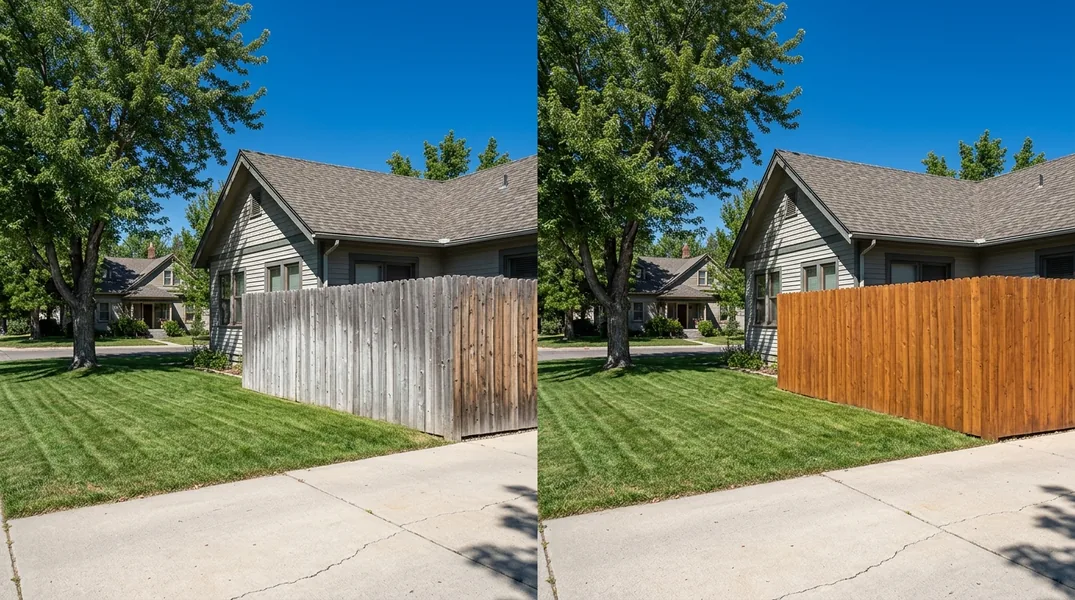
UV exposure from our bright, high-altitude sun causes cedar to gray and fade over time. This weathering is purely cosmetic initially, but it also means the protective wood fibers are breaking down. Temperature cycling, where we experience freezing nights and warm days, causes wood to expand and contract repeatedly. This stress can lead to warping, cracking, and splitting, which then allows moisture to penetrate deeper into the wood. Additionally, Boise's occasional wind storms can stress fence panels and posts, accelerating damage if your fence wasn't properly installed or maintained.
Signs Your Cedar Fence Needs Replacement
Knowing when to replace a fence is just as important as knowing how long it should last. Some problems are cosmetic and can be addressed with staining or sealing, while others indicate structural failure that compromises safety and function. Learning to recognize these warning signs helps you avoid sudden, costly failures and plan your replacement proactively.
Visible rot is the most serious sign that your fence may need replacement. If you notice soft, spongy wood that crumbles when you press it, or dark discoloration that doesn't wash away, rot has already begun compromising the structural integrity. Check the base of posts carefully and along any horizontal boards that contact the ground. Severe warping, where boards have twisted or bowed significantly, makes the fence unstable and often impossible to repair effectively. Similarly, if multiple posts are leaning or the fence sections are visibly out of plumb, the foundation has failed and replacement is usually the only safe solution.
Widespread cracking and splitting, especially if cracks are deep and run along the grain, indicate that the wood's structural strength is compromised. A few surface checks might be cosmetic, but extensive cracking means moisture has penetrated deeply. If you notice loose or missing boards, rotting hardware, or if sections move excessively when you push on them, these are clear indicators that repair is no longer practical. Additionally, if your fence is approaching 20 years old and showing multiple problems simultaneously, replacement is likely more economical than attempting piecemeal repairs. A professional inspection can help you determine whether your fence can be salvaged or should be replaced.
Extending Your Fence's Lifespan: Maintenance Tips
The good news is that proper maintenance can significantly extend your cedar fence's life, potentially adding five or more years to its useful lifespan. Regular care prevents small problems from becoming major issues and protects your investment. Since wood fences require ongoing attention, establishing a maintenance routine is essential for homeowners in Boise.
Sealing and staining your fence every two to three years is one of the most effective maintenance steps you can take. A quality wood sealant creates a protective barrier against moisture and UV damage, essentially refreshing the cedar's natural defenses. Before applying new sealant, clean your fence thoroughly to remove dirt, mold, and mildew. Pressure washing can be effective, but use low pressure to avoid damaging the wood. Inspect for any signs of damage or rot during cleaning, and address small problems immediately before they spread.
Proper drainage around your fence is equally important. Ensure water doesn't pool at the base of posts, and keep gutters and downspouts directed away from fence lines. Trim back vegetation that touches the fence, as plants retain moisture and can promote rot and insect damage. Check hardware regularly, replacing any rusted nails or bolts with galvanized or stainless steel alternatives that won't corrode. Finally, inspect posts annually for signs of settling or damage. If you notice movement or instability, contact a professional immediately to assess whether reinforcement is needed. These preventive steps are far less expensive than premature fence replacement.
Comparing Cedar to Other Fence Options in Boise
While cedar is a popular choice, it's worth understanding how it compares to other fencing materials available in Boise. Different materials have different lifespans, maintenance requirements, and costs, and the best choice depends on your priorities and budget.
Vinyl & PVC Fence Installation offers exceptional durability, with vinyl fences lasting 20-30 years or more with minimal maintenance. Vinyl doesn't rot, doesn't require sealing or staining, and resists fading better than wood. However, vinyl typically costs more upfront and may not provide the same natural aesthetic that many homeowners prefer. Chain Link Fence Installation is highly durable and low-maintenance but offers less privacy and aesthetic appeal. Aluminum & Ornamental Iron Fencing provides an elegant appearance and can last 20+ years, though it requires periodic maintenance to prevent rust.
Cedar strikes a balance between natural beauty, reasonable cost, and acceptable lifespan. If you love the look and feel of natural wood and are willing to maintain it, cedar is an excellent choice. If you want to minimize maintenance and maximize lifespan, vinyl might be worth the extra investment. The best material for your situation depends on your aesthetic preferences, maintenance commitment, and budget. Speaking with professionals at Boise Fence Company can help you weigh these options and make the right choice for your property.
When to Call a Professional: Wood & Privacy Fence Installation Near Me
Whether you're deciding whether to repair or replace your existing fence, or you're planning new Wood & Privacy Fence Installation, professional guidance is invaluable. Experienced fence contractors can assess your current fence's condition, provide honest recommendations about repair versus replacement, and ensure new installations are done correctly to maximize lifespan.
If you're uncertain about your fence's condition or lifespan remaining, a professional inspection can provide clarity. Contractors can identify hidden rot, assess structural integrity, and recommend the most cost-effective solutions. If you decide replacement is necessary, proper installation is critical. Posts must be set correctly with adequate depth and proper drainage, boards must be attached securely, and materials must be appropriate for Boise's climate. Poor installation can reduce your new fence's lifespan significantly, so choosing a reputable local contractor matters.
Boise Fence Company serves the Boise area with professional fence installation and repair services. If you're wondering whether your current fence can be saved or if you're ready to invest in a new one, we're here to help. Contact us at (208) 297-6537 or visit our website to request a free estimate. Our team can assess your specific situation and provide recommendations tailored to your property and needs.
Looking for a professional tree service in Boise? Boise Fence Company responds fast for all your fence needs.
Get a Free Quote